วิเคราะห์นโยบาย EV โลก! จับตาเทรนด์ E-Bike มาแรงปลายปี 26
อนาคต EV โลกกำลังเปลี่ยน! นโยบาย EV ทั่วโลกเข้มงวดขึ้น เน้นคัดกรองผู้เล่นตัวจริง จับตา E-Bike ที่มาแรงปลายปี 2026 รับมือเทรนด์ใหม่เพื่อโอกาสธุรกิจ

อนาคต EV โลกกำลังเปลี่ยน! นโยบาย EV ทั่วโลกเข้มงวดขึ้น เน้นคัดกรองผู้เล่นตัวจริง จับตา E-Bike ที่มาแรงปลายปี 2026 รับมือเทรนด์ใหม่เพื่อโอกาสธุรกิจ
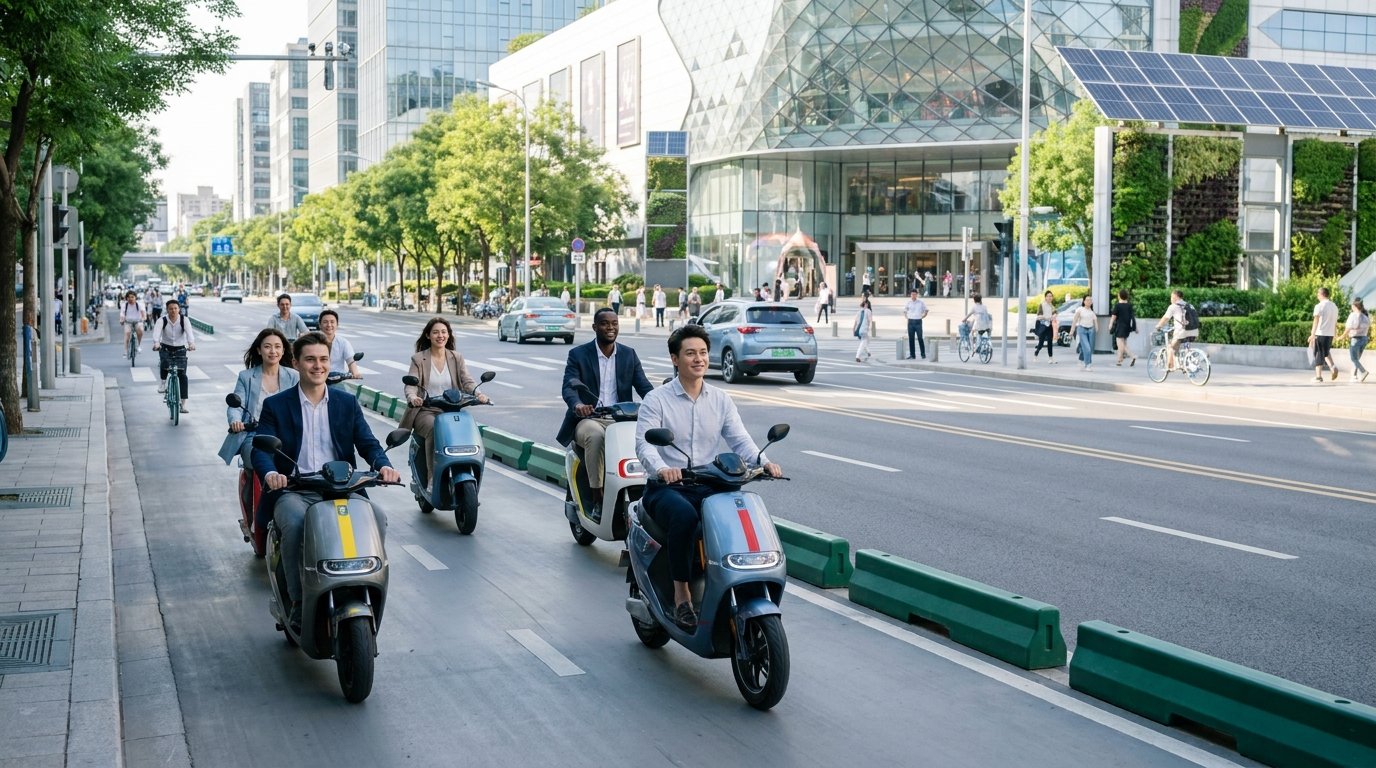
อนาคตการเดินทางคนเมืองมาถึงแล้ว! เทรนด์ EV Scooter ปลายปี 2026 ตอบโจทย์วัยทำงานเต็มที่ ด้วยแบตเตอรี่ราคาถูกลง โครงสร้างชาร์จขยายตัว ช่วยประหยัดค่าใช้จ่าย คล่องตัวแก้ปัญหารถติดและที่จอดในเมือง ค้นพบทางเลือกใหม่ที่คุ้มค่าสำหรับชีวิตคุณ.
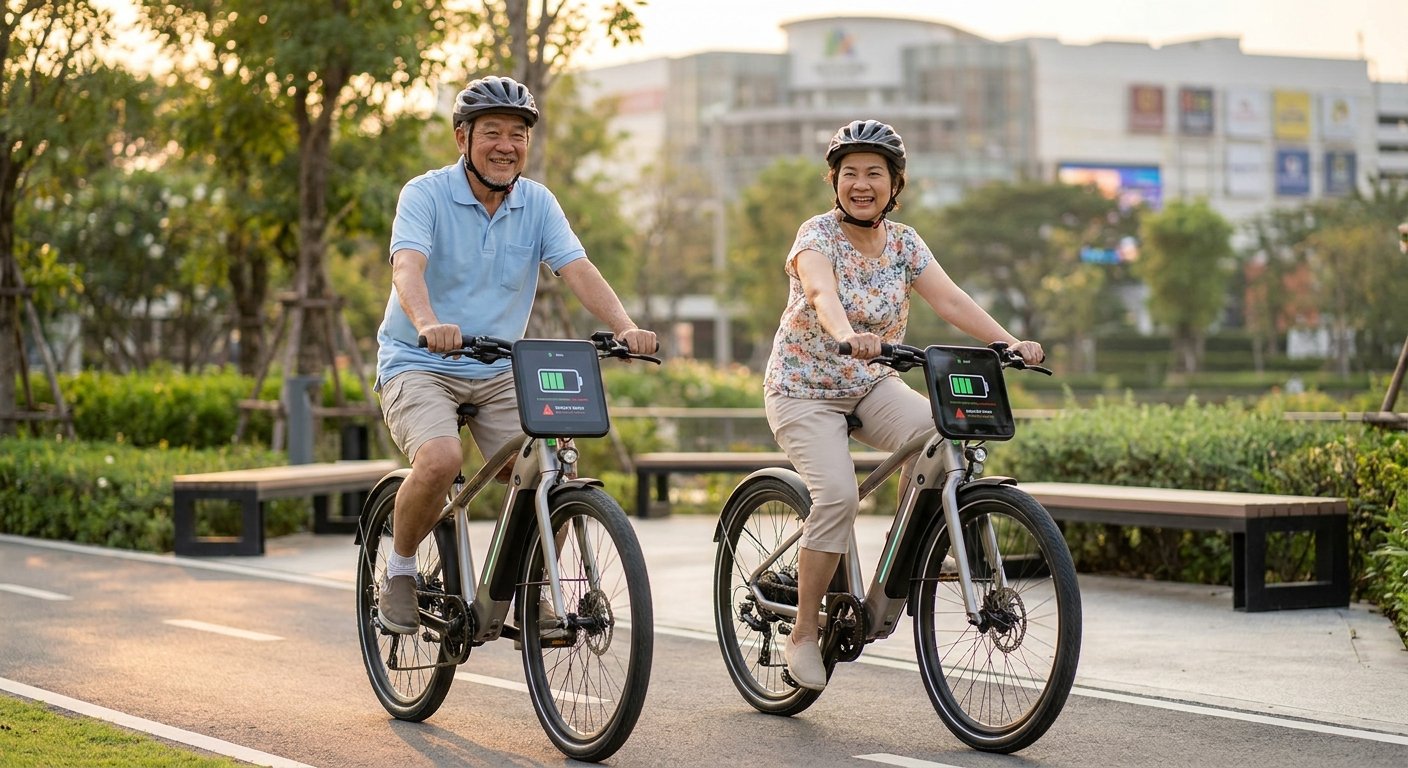
E-Bike ปลายปี 2026: นวัตกรรมความปลอดภัยเพื่อวัยเก๋า! มาสำรวจแนวโน้มสำคัญที่กำลังจะเปลี่ยนโฉมการเดินทางของผู้สูงอายุให้มั่นใจยิ่งขึ้น. พบกับเทคโนโลยีช่วยทรงตัวอัจฉริยะ, เบรกอัจฉริยะ, และดีไซน์ที่เข้าถึงง่าย. ค้นหา E-Bike ที่ตอบโจทย์ชีวิตอิสระและปลอดภัยในอนาคตได้เลยที่นี่.
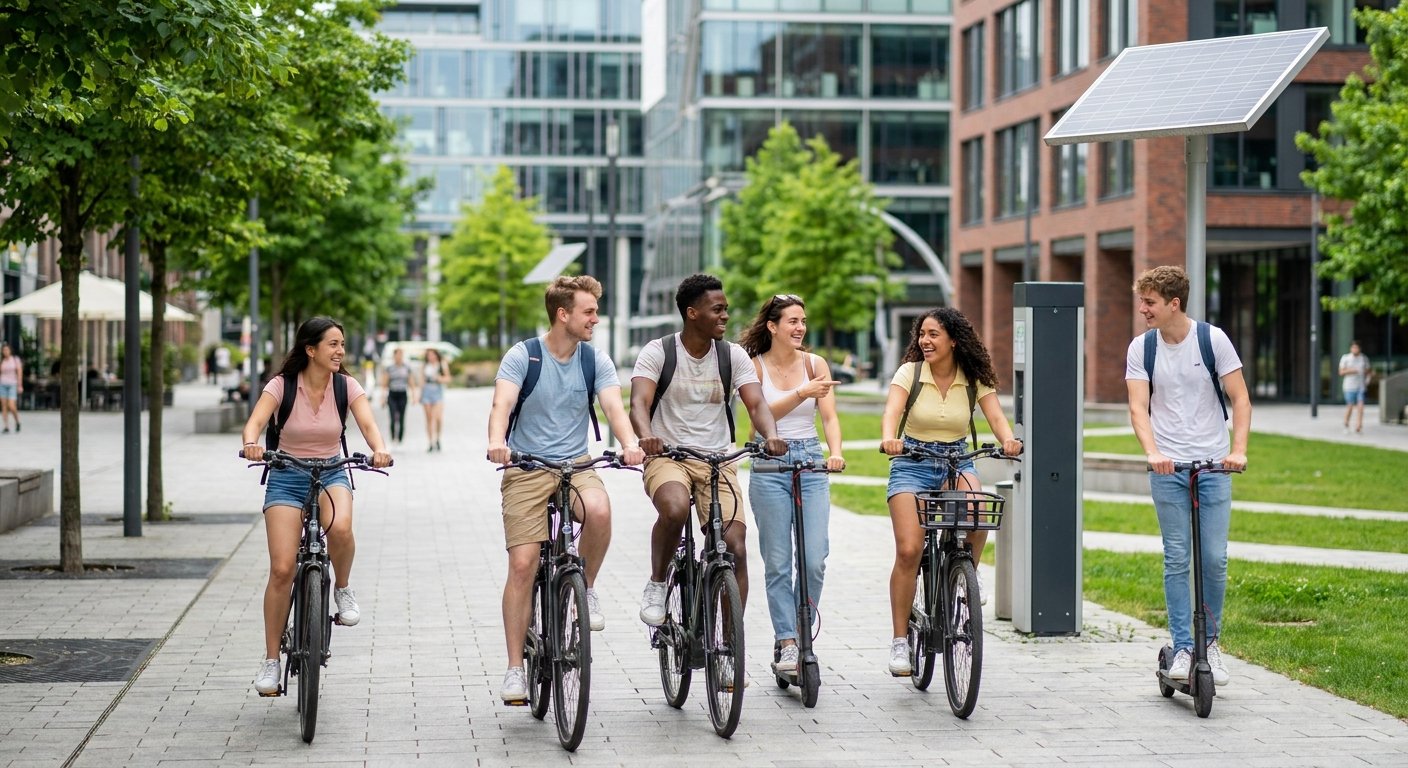
อยากประหยัดค่าน้ำมันให้ลูกหลานวัยเรียน? เทรนด์ E-Bike ปลายปี 26 มาแรง! นักรีวิวฟันธงว่ามอเตอร์ไซค์ไฟฟ้าช่วยลดค่าใช้จ่ายได้จริง ด้วยรุ่นประหยัดคุ้มค่า ประกันยาวถึง 5 ปี ค้นพบ E-Bike ที่ใช่และคุ้มค่าที่สุดสำหรับคุณที่นี่เลย!
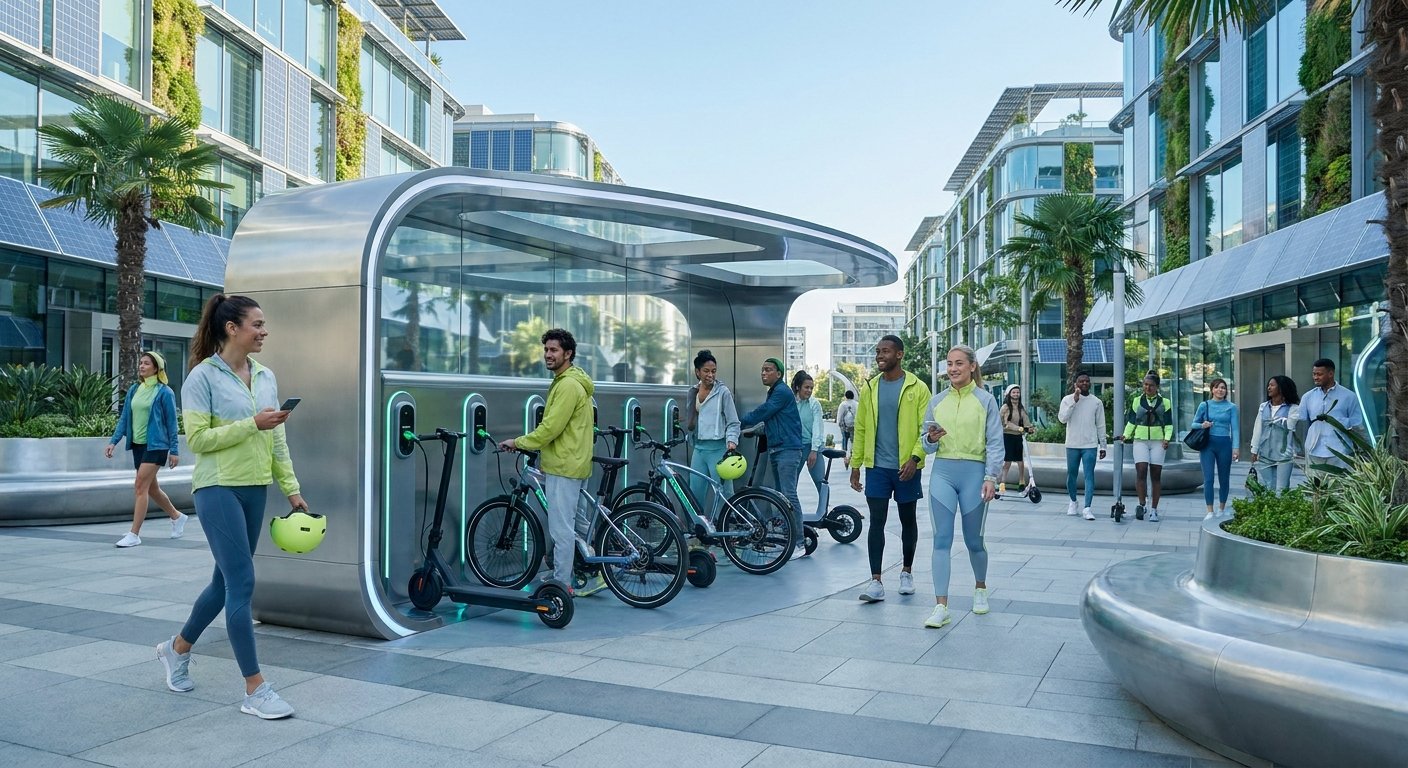
เตรียมพบอนาคตแบตเตอรี่ EV และ E-Bike! เทรนด์ชาร์จไว 5 นาที, 800V และระบบสลับแบตฯ กำลังพลิกโฉมวงการ เตรียมมาแรงปลายปี 2026 นี้ เจาะลึกนวัตกรรมที่จะขับเคลื่อนยานยนต์ไฟฟ้าของคุณก่อนใครได้ที่นี่!
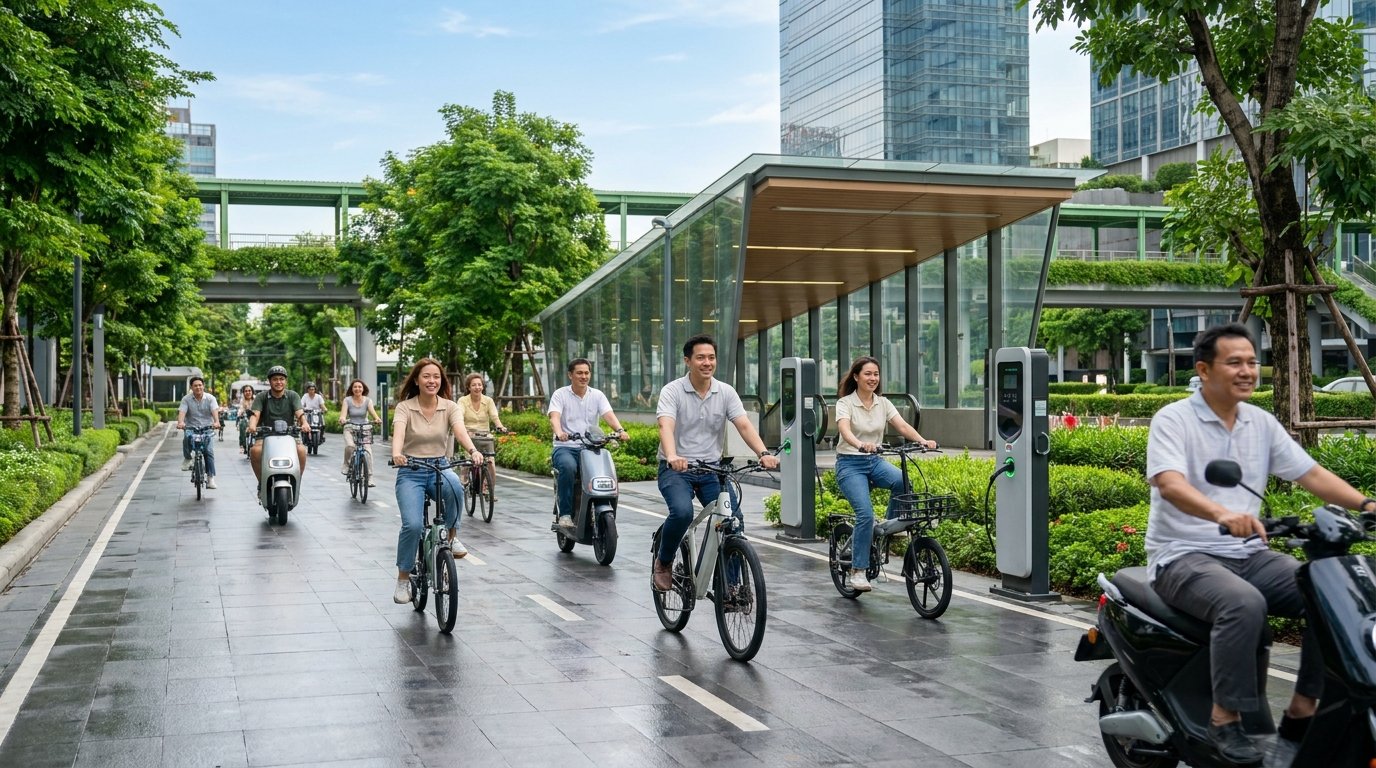
นโยบาย EV ปลายปี 2026 กำลังเปลี่ยนเกม! การแข่งขันดุเดือดดัน E-Bike ลดคาร์บอนในเมือง บทวิเคราะห์ชี้อนาคตยานยนต์ไฟฟ้าที่เน้นต้นทุนและเทคโนโลยี เพิ่มโอกาสการเดินทางยั่งยืนที่ไม่ควรมองข้าม.
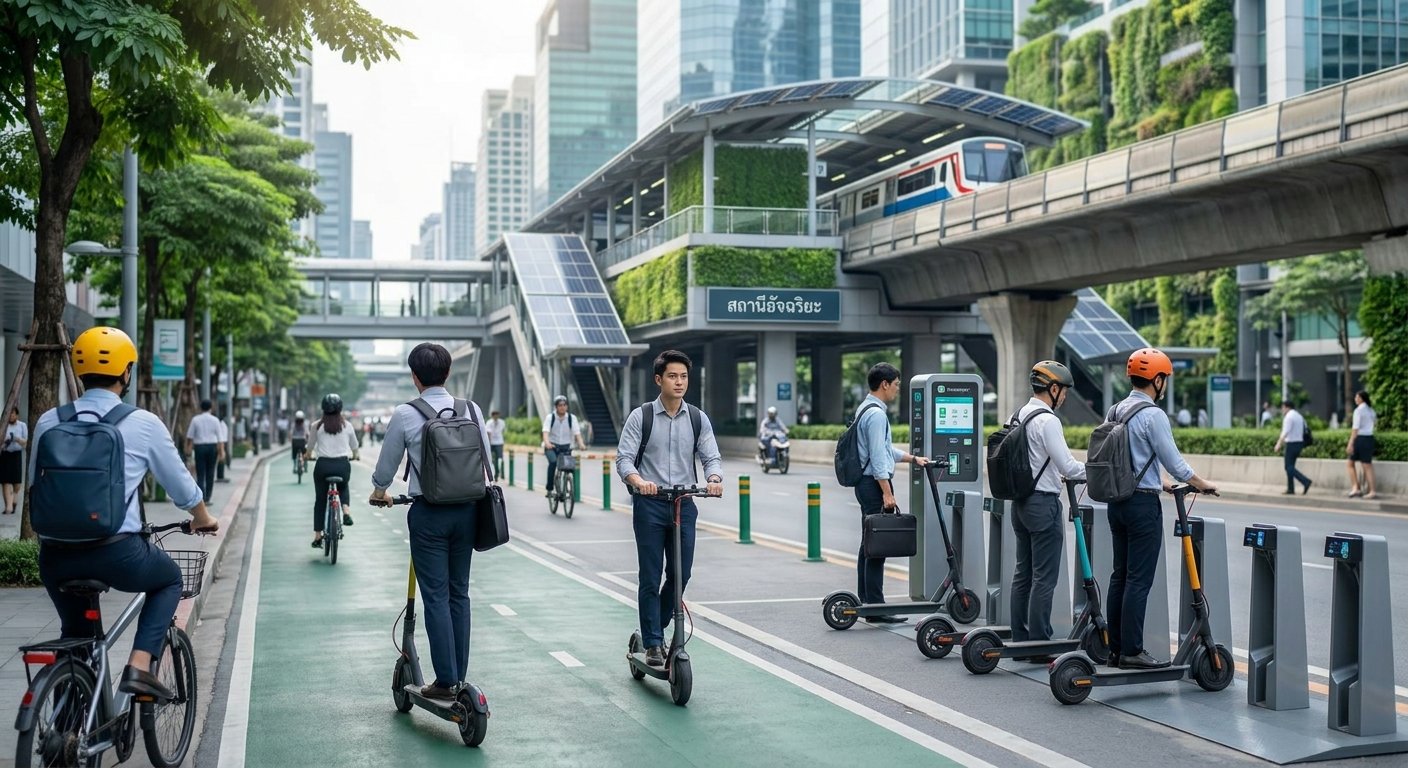
เจาะลึกเทรนด์ Smart City Q3/2026 เผยเหตุผลที่สกู๊ตเตอร์ไฟฟ้ากำลังฮิตในกลุ่มวัยทำงาน เมืองอัจฉริยะกำลังพลิกโฉมการเดินทางด้วย AI และ IoT รองรับการเคลื่อนที่ระยะสั้นที่สะดวก ประหยัด และยั่งยืน เข้าใจแนวโน้มสำคัญและอนาคตการเดินทางของคุณได้ที่นี่!
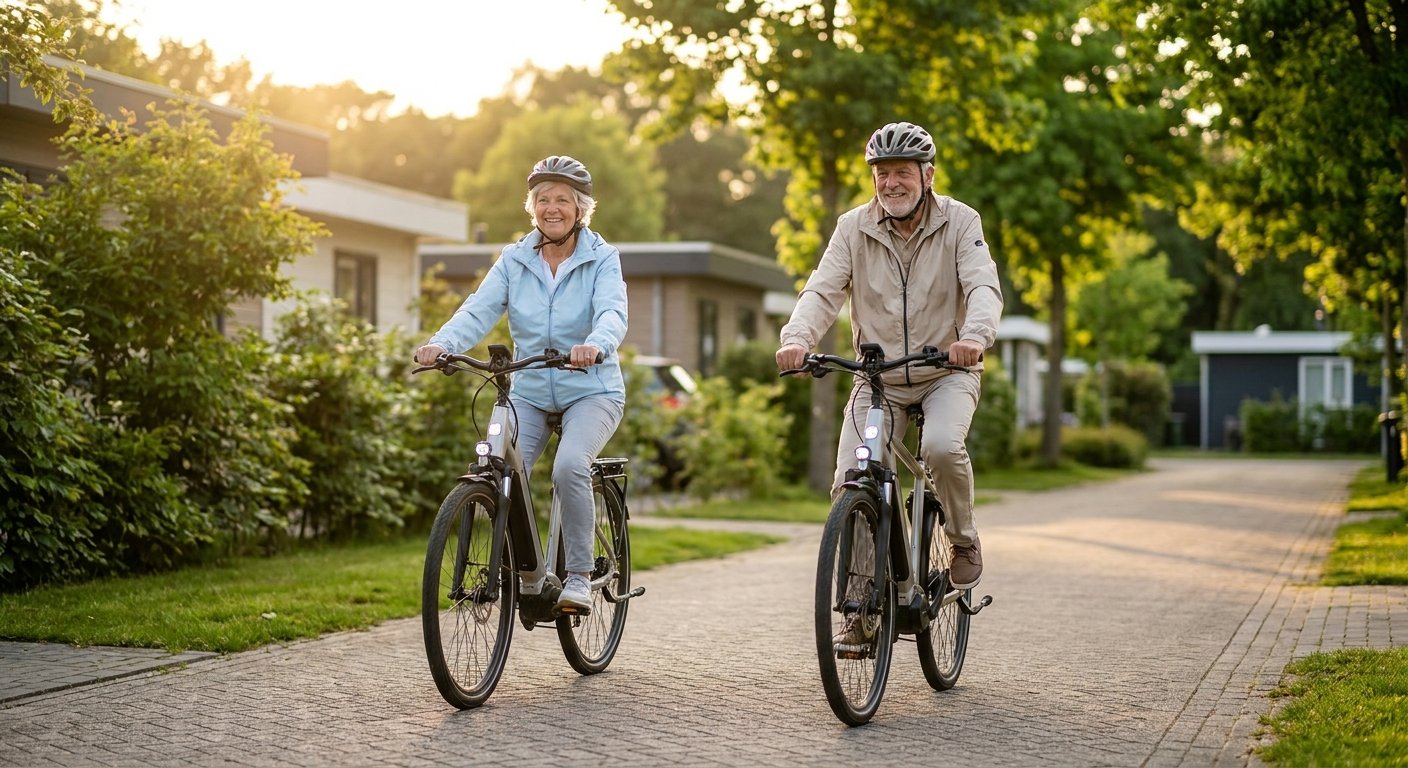
E-Bike ขับขี่ปลอดภัย เพื่อสังคมวัยเก๋า สัมผัสเทรนด์ E-Bike ที่กำลังมาแรงสำหรับผู้สูงวัย เน้นความปลอดภัยสูงสุดและการเดินทางที่คล่องตัว ประหยัดพลังงาน พร้อมรับปลายปี 2026 มอบอิสระและคุณภาพชีวิตที่ดีขึ้น สำรวจอนาคตการเดินทางที่เหมาะสมกับคุณ!
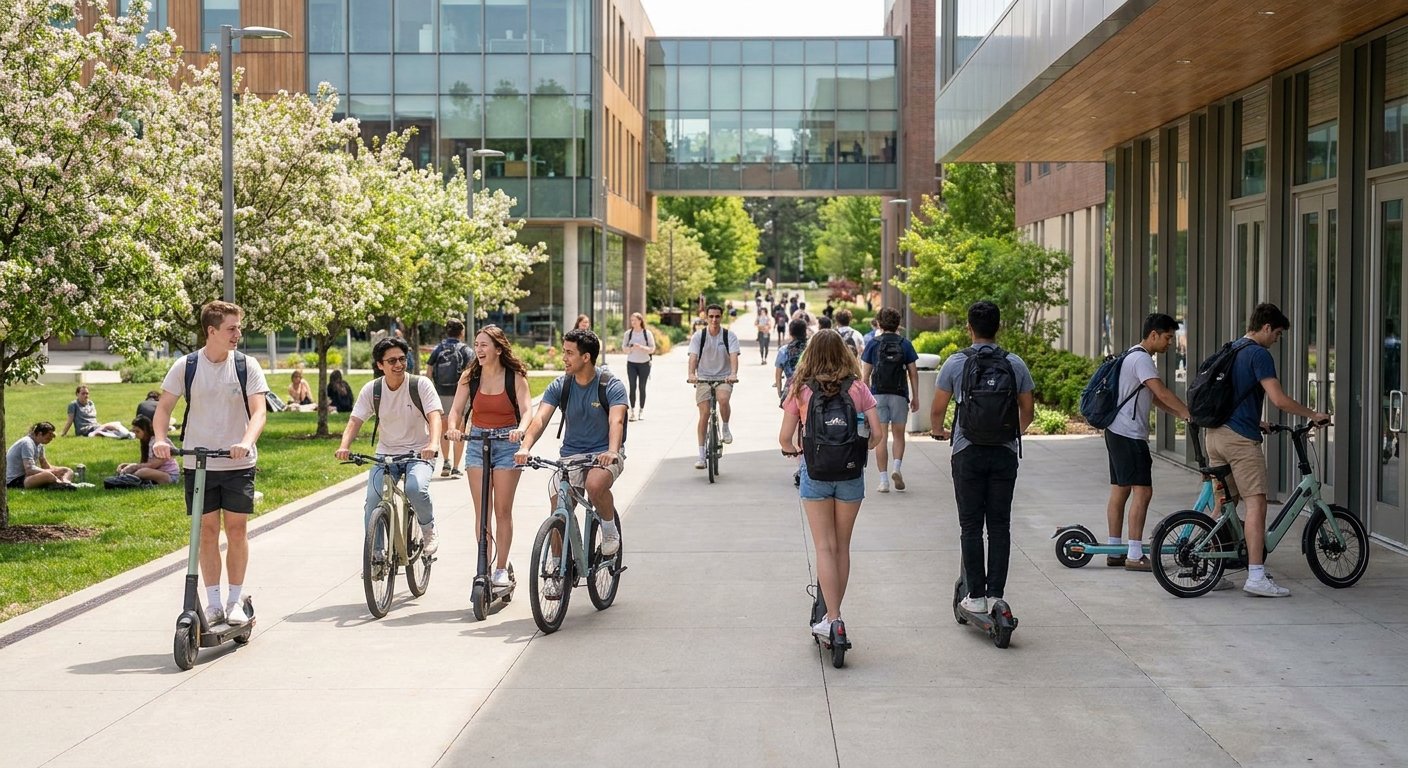
สกู๊ตเตอร์ไฟฟ้าเทรนด์ฮิต! เจาะลึกกระแสยานพาหนะประหยัดพลังงานสำหรับนักศึกษาในมหาลัยปลายปี 2026 ด้วยค่าไฟเพียง 3-5 บาทต่อชาร์จ วิ่งได้ไกล ปลอดภัย และตอบโจทย์ทุกการเดินทางสั้นๆ ในรั้วมหาลัย เตรียมตัวตามเทรนด์ก่อนใคร!
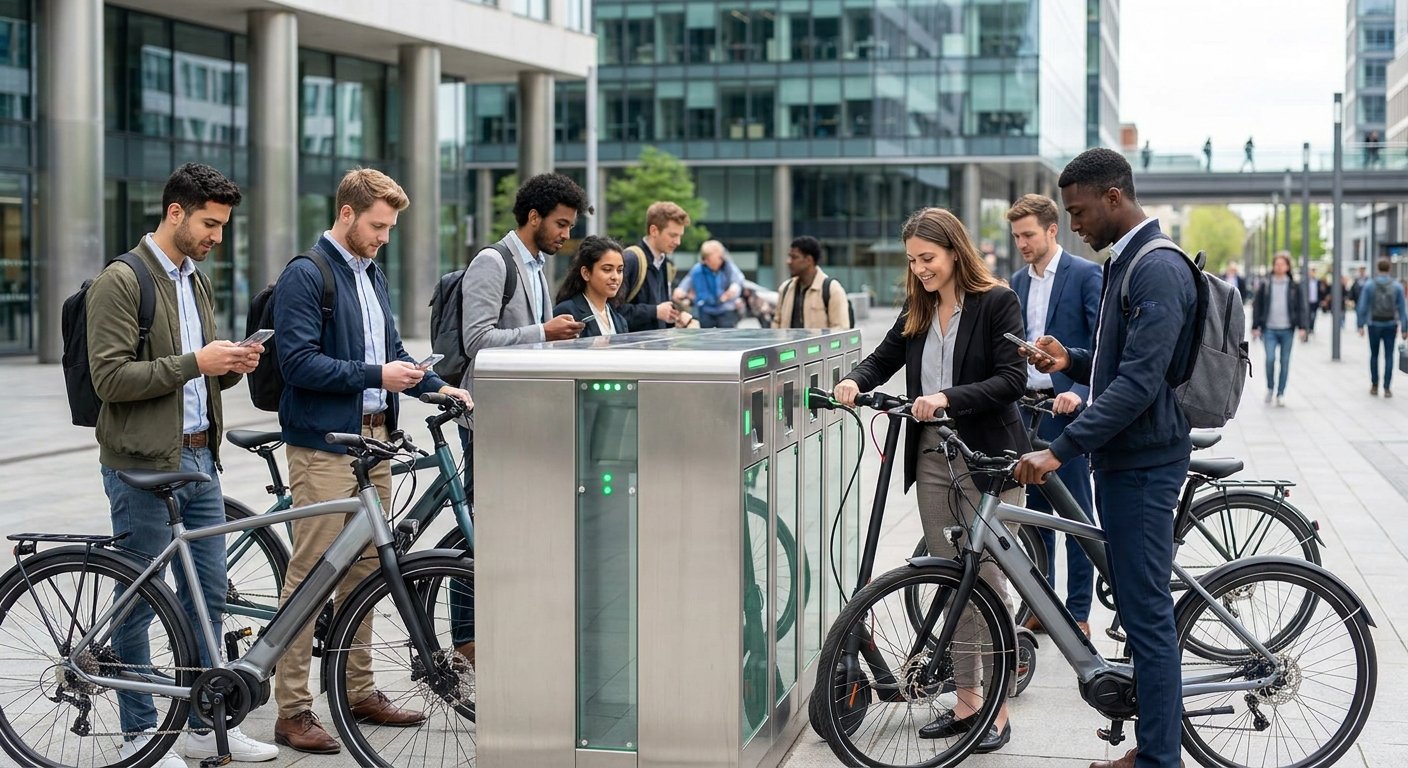
นวัตกรรมสุดล้ำปี 2026 กำลังจะเปลี่ยนโลก! พบกับแบตเตอรี่ EV ชาร์จไวแห่งอนาคต ทั้ง Sodium-ion และ Solid-state ที่ชาร์จเต็มในไม่กี่นาที เตรียมพลิกโฉมอุตสาหกรรมยานยนต์ไฟฟ้า และขับเคลื่อนเทรนด์ E-Bike ให้ก้าวกระโดด ติดตามความล้ำสมัยก่อนใคร!